Mafiree logo
  • About
  • Services
  • Blogs
  • Careers
  • Products
    • orbit logo Orbit
    • streamer logo Xstreami
  • Contact
Schedule a Call
Menu
  • About
  • Services
  • Blogs
  • Careers
  • Products
    • orbit logo Orbit
    • streamer logo Xstreami
  • Contact
  • Schedule a Call
Database
Database Managed Database Services
MySQL MySQL
MySQL Consulting
MySQL Migration Services
MySQL Optimization & Query Tuning
MySQL Database Administration
MySQL Backup & Recovery
MySQL Security & Maintenance
MySQL Cloud Services (AWS RDS, Aurora, Google Cloud SQL, Azure)
MySQL for Ecommerce
MySQL High Availability & Replication
MongoDB MongoDB
MongoDB Consulting
MongoDB Migration Services
MongoDB Optimization & Query Tuning
MongoDB Database Administration
MongoDB Backup & Recovery
MongoDB Security & Maintenance
MongoDB Cloud (Atlas)
MongoDB Solutions by Industry
MongoDB High Availability & Replication
PostgreSQL PostgreSQL
PostgreSQL Consulting
PostgreSQL Migration & Upgrades
Performance Tuning & Query Optimization
PostgreSQL Administration & Managed Services
High Availability, Clustering & Replication
PostgreSQL Backup, Recovery & Disaster Planning
PostgreSQL Security, Compliance & Auditing
PostgreSQL for Analytics & Data Warehousing
PostgreSQL on Cloud & Containers
PostgreSQL Extensions & Open-Source Integrations
PostgreSQL for Every Industry
SQL Server MSSQL
MSSQL Consulting
MSSQL Migration Services
MSSQL Optimization & Query Tuning Services
MSSQL Database Administration Services
MSSQL Backup & Recovery Services
MSSQL High Availability & Replication Services
MSSQL Security & Compliance Services
MSSQL Performance Monitoring & Health Checks
MSSQL Solutions by Industry
Aerospike Aerospike
Aerospike Consulting
Aerospike Migration Services
Aerospike Performance Optimization & Tuning
Aerospike Backup & Recovery
Aerospike High Availability
Aerospike Cloud & Hybrid Deployments
Aerospike for Real-Time Applications (AdTech, FinTech, Retail, IoT)
Clickhouse Clickhouse
ClickHouse Consulting
ClickHouse Migration Services
ClickHouse Optimization & Query Tuning
ClickHouse Database Administration
ClickHouse Backup & Recovery
ClickHouse Security & Maintenance
ClickHouse Cloud Services (ClickHouse Cloud, AWS, GCP, Azure)
ClickHouse Solutions by Industry
ClickHouse High Availability & Replication
TiDB TiDB
TiDB Consulting
TiDB Administration & Maintenance
TiDB Security and Privacy Maintenance
TiDB Performance & Query Optimization
TiDB Migration Services
TiDB Backup & Disaster Recovery
TiDB High Availability Solutions
TiDB Solutions by Industry
TiDB Cloud Services
ScyllaDB ScyllaDB
ScyllaDB Consulting
ScyllaDB Administration & Maintenance
ScyllaDB Security and Privacy Maintenance
ScyllaDB Performance & Query Optimization
ScyllaDB Migration Services
ScyllaDB Backup & Disaster Recovery
ScyllaDB High Availability Solutions
ScyllaDB Solutions by Industry
ScyllaDB Cloud Services
DevOps
DevOps DevOps Services
Version Control Version Control
Kubernetes Kubernetes
Infrastructure Infrastructure Management
Web Servers Web Servers
Networking
Networking Networking Services
Basic Basic
Advanced Advanced
MySQL MySQL
MongoDB MongoDB
PostgreSQL PostgreSQL
MSSQL MSSQL
Aerospike Aerospike
Clickhouse Clickhouse
TiDB TiDB
ScyllaDB ScyllaDB
Version Control Version Control
Kubernetes Kubernetes
Infrastructure Infrastructure Management
Web Servers Web Servers
Basic Basic
Advanced Advanced
MySQL Consulting
MySQL Migration Services
MySQL Optimization & Query Tuning
MySQL Database Administration
MySQL Backup & Recovery
MySQL Security & Maintenance
MySQL Cloud Services (AWS RDS, Aurora, Google Cloud SQL, Azure)
MySQL for Ecommerce
MySQL High Availability & Replication
MongoDB Consulting
MongoDB Migration Services
MongoDB Optimization & Query Tuning
MongoDB Database Administration
MongoDB Backup & Recovery
MongoDB Security & Maintenance
MongoDB Cloud (Atlas)
MongoDB Solutions by Industry
MongoDB High Availability & Replication
PostgreSQL Consulting
PostgreSQL Migration & Upgrades
Performance Tuning & Query Optimization
PostgreSQL Administration & Managed Services
High Availability, Clustering & Replication
PostgreSQL Backup, Recovery & Disaster Planning
PostgreSQL Security, Compliance & Auditing
PostgreSQL for Analytics & Data Warehousing
PostgreSQL on Cloud & Containers
PostgreSQL Extensions & Open-Source Integrations
PostgreSQL for Every Industry
MSSQL Consulting
MSSQL Migration Services
MSSQL Optimization & Query Tuning Services
MSSQL Database Administration Services
MSSQL Backup & Recovery Services
MSSQL High Availability & Replication Services
MSSQL Security & Compliance Services
MSSQL Performance Monitoring & Health Checks
MSSQL Solutions by Industry
Aerospike Consulting
Aerospike Migration Services
Aerospike Performance Optimization & Tuning
Aerospike Backup & Recovery
Aerospike High Availability
Aerospike Cloud & Hybrid Deployments
Aerospike for Real-Time Applications (AdTech, FinTech, Retail, IoT)
ClickHouse Consulting
ClickHouse Migration Services
ClickHouse Optimization & Query Tuning
ClickHouse Database Administration
ClickHouse Backup & Recovery
ClickHouse Security & Maintenance
ClickHouse Cloud Services (ClickHouse Cloud, AWS, GCP, Azure)
ClickHouse Solutions by Industry
ClickHouse High Availability & Replication
TiDB Consulting
TiDB Administration & Maintenance
TiDB Security and Privacy Maintenance
TiDB Performance & Query Optimization
TiDB Migration Services
TiDB Backup & Disaster Recovery
TiDB High Availability Solutions
TiDB Solutions by Industry
TiDB Cloud Services
ScyllaDB Consulting
ScyllaDB Administration & Maintenance
ScyllaDB Security and Privacy Maintenance
ScyllaDB Performance & Query Optimization
ScyllaDB Migration Services
ScyllaDB Backup & Disaster Recovery
ScyllaDB High Availability Solutions
ScyllaDB Solutions by Industry
ScyllaDB Cloud Services
  1. Home
  2. > Blogs
  3. > Xstreami
  4. > 10 Xstreami Features That Make Data Pipelines Production-Ready

10 Xstreami Features That Make Data Pipelines Production-Ready

Real-time data pipelines continuously capture, transform, and synchronize data across systems as changes occur. This blog explores what makes these pipelines production-ready and how Xstreami, a real-time CDC and ETL data pipeline platform, simplifies data integration through initial data sync, intelligent transformations, validation, schema evolution, and monitoring.

Shenbaga Varna S November 20, 2026

Table of Contents

  • Introduction
  • Visual Pipeline Designer
  • Initial Data Sync (IDS)
  • Real-Time Change Data Capture (CDC)
  • Smart Rule Engine
  • Preview Before Deployment
  • Data Masking & Enterprise Security
  • Universal Database Connectors
  • Real-Time Monitoring & Health Metrics
  • How Xstreami Brings Real-Time Data Pipelines Together
  • Final Takeaway

Subscribe for email updates

RSS feed
Summarize with AI: ChatGPT Google AI Perplexity Claude Grok

Introduction

Moving data in real time is easy to demonstrate. Making that data pipeline platform reliable in production is the real challenge.

Modern applications generate data continuously, and businesses increasingly expect that data to be available across systems with minimal delay. But moving data from one system to another is only part of building a reliable data pipeline platform.

What happens when you need to load millions of existing records before real-time changes begin? What if data needs to be transformed, validated, or mapped differently for the destination? And how do you handle schema changes, deployment risks, and pipeline issues without adding more complexity?

As these requirements grow, teams often end up managing multiple tools, scripts, configurations, and monitoring layers just to keep one pipeline running reliably.

This is where Xstreami comes in.

Xstreami brings CDC, ETL, data transformation, synchronization, pipeline preview, and monitoring together in one environment—helping teams build and manage modern data pipeline platform with less operational complexity.

The real challenge is not simply moving data from Point A to Point B. It is managing everything that happens along the way.

Build Reliable Real-Time Data Pipelines with Xstreami
Explore Xstreami →

Visual Pipeline Designer

Pipeline configuration can become difficult as sources, destinations, tables, and transformation rules increase.

Xstreami brings these components together in a visual pipeline designer, where you can configure sources, destinations, processing stages, and transformations from a single interface. This makes it easier to build, understand, and modify pipelines as requirements change.

This makes pipelines easier to understand, modify, and troubleshoot as requirements evolve.

You can view the actual live data being processed in real time and monitor the entire pipeline lifecycle on a single screen, across one or multiple pipelines.

Initial Data Sync (IDS)

CDC can capture new changes, but it does not provide the historical data already sitting in a source database.

A complete synchronization therefore needs two stages: an initial data load followed by continuous change replication. The transition between these stages can be difficult to coordinate, particularly when changes continue occurring during the migration.

Initial Data Sync handles the historical load before the pipeline moves into continuous CDC, creating a smoother path from migration to ongoing synchronization.

Xstreami handles this transition for you. It coordinates the historical load with live CDC so that once the initial synchronization is complete, the pipeline can seamlessly continue with ongoing change replication — without requiring you to manually engineer the handoff between the two stages.

Real-Time Change Data Capture (CDC)

Batch processing can leave downstream systems working with outdated information.

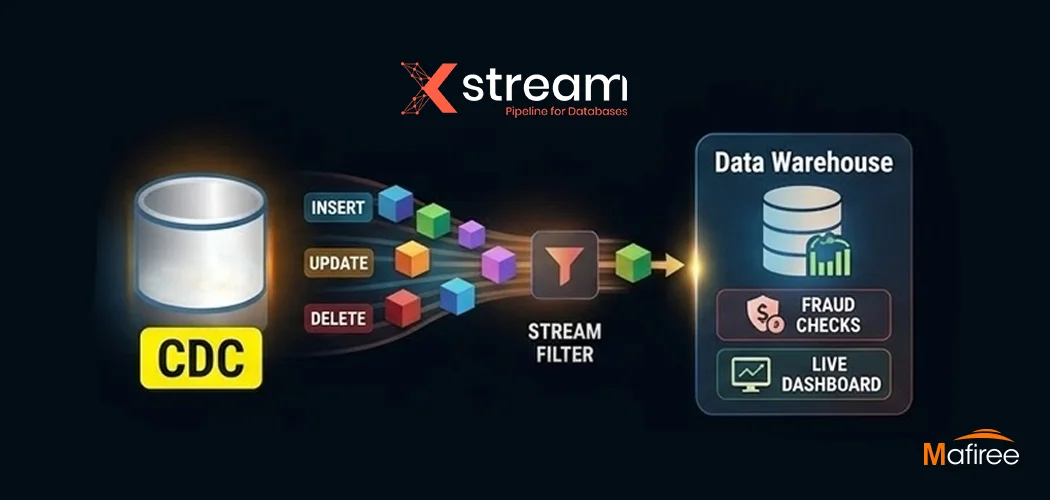
Change Data Capture addresses this by capturing inserts, updates, and deletes as they occur. Instead of repeatedly processing entire datasets, only the changes need to move downstream.

This allows applications, analytics systems, and other destinations to work with fresher data while reducing unnecessary processing.

Smart Rule Engine

Data rarely arrives in exactly the format required by the destination.

Fields may need to be renamed, values calculated, records filtered, or conditions applied based on business requirements. Without a flexible transformation layer, these requirements often lead to custom scripts and additional maintenance.

A Smart Rule Engine allows transformation logic to be defined within the pipeline through mappings, conditions, references, and other rules. This makes business logic easier to manage without rebuilding the entire integration whenever requirements change.

What makes Xstreami different: Unlike many CDC and ETL tools that treat transformation as a separate process, Xstreami brings CDC, transformation, and business logic together within the same pipeline through different types of rules, including references, joins, and X-Operations. When transformation requirements become more complex, you can write your own user-defined functions. If a client requires a new function, Xstreami can also provide support for it.

Common transformation requirements include:

  • Field mapping and renaming
  • Conditional transformations
  • Value calculations
  • Record filtering
  • Reference-based transformations
  • Business-rule-driven data processing

This brings transformation logic closer to the data pipeline instead of requiring separate scripts for every business requirement.

But moving the data is only half the battle. Once it is about to reach the destination, how do you know it is correct?

Preview Before Deployment

Pipeline changes can have a large impact when they are processing data continuously.

A small mapping error or incorrect transformation can affect thousands of records before anyone notices. Previewing changes before deployment provides an opportunity to inspect transformed data, verify mappings, and check rules before they reach production.

Instead of deploying a rule and discovering issues after the pipeline starts processing data, Xstreami lets you validate your logic against real production data first. This makes the process more like configure, preview, verify, and deploy — reducing the risk of introducing transformation errors into a live pipeline.

Data Masking & Enterprise Security

Data pipelines often carry sensitive information such as customer details, financial records, and personal data.

Not every destination needs access to every field. Data masking can protect sensitive information before it reaches downstream systems, while encryption in transit and at rest provides additional protection throughout the data flow.

Treating security as part of the pipeline design makes data protection an integral part of integration rather than a separate activity.

Security capabilities can include:

  • PII data masking
  • Encryption in transit
  • Controlled movement of sensitive fields
  • Security-conscious data transformation

This allows organizations to consider data protection while designing the pipeline rather than adding security controls after the pipeline has already been built.

Universal Database Connectors

Modern organizations rarely operate with a single database technology.

MySQL, PostgreSQL, MongoDB, Kafka, S3, Snowflake, and other platforms may all form part of the same environment. Connecting each combination independently can quickly create additional development and maintenance work.

What makes Xstreami different: Xstreami is designed to adapt to your environment rather than limiting you to a fixed set of connectors. If a required source or destination is not currently supported, on-request connector support can be provided, allowing Xstreami to extend with your specific technology and integration requirements.

Real-Time Monitoring & Health Metrics

A pipeline is not finished when it is deployed.

Teams need visibility into throughput, latency, processing status, and overall pipeline health to know whether data is moving as expected.

Without monitoring, issues are often discovered only when a downstream application or dashboard shows outdated information. Real-time health metrics provide earlier visibility and make troubleshooting more practical.

For continuously running integrations, observability is part of reliability.

Monitoring helps teams track:

  • Pipeline health
  • Data processing status
  • Throughput
  • Latency
  • Processing issues
  • Potential synchronization problems

The objective is simple: know what is happening in the pipeline before it becomes a business problem.

Simplify Your Data Pipeline Management
Talk to Our Team →

How Xstreami Brings Real-Time Data Pipelines Together

Modern data pipelines require more than replication. They need a way to handle historical data, capture ongoing changes, apply business logic, validate records, adapt to schema changes, protect sensitive information, connect different technologies, and remain observable in production.

These capabilities can be assembled using multiple tools, but every additional component introduces another configuration, integration, and maintenance layer.

Xstreami brings these stages together in one pipeline environment, from Initial Data Sync and CDC to transformation, validation, schema evolution, security, connectivity, and monitoring.

The goal is not simply to move data faster. It is to make the entire journey from source to destination easier to build, operate, and adapt as systems change.

The table below summarizes the 10 features that make real-time data pipelines production-ready.

RequirementXstreami FeatureBenefit
Historical dataInitial Data SyncSimplifies initial loading
Real-time changesCDCKeeps systems current
Data transformationSmart Rule EngineHandles business logic
Data qualityBuilt-in ValidationPrevents bad records
Deployment confidencePreview Before DeploymentReduces configuration errors
Schema changesDynamic Schema EvolutionReduces manual updates
Data protectionMasking & SecurityProtects sensitive information
Multiple technologiesUniversal ConnectorsSimplifies integrations
Pipeline visibilityReal-Time MonitoringImproves operational visibility
Pipeline managementVisual Pipeline DesignerMakes data flows easier to manage

Final Takeaway

Modern data pipelines are no longer just about moving data from one system to another. They need to sync historical data, capture real-time changes, apply business logic, maintain data quality, adapt to schema changes, protect sensitive information, and remain observable in production.

Xstreami brings these capabilities together in a single pipeline environment, helping teams reduce the complexity of managing multiple tools and disconnected processes.

Because reliable data movement is not just about getting data there — it is about making sure the data gets there correctly, securely, and continuously.

Bring CDC, ETL, and Data Synchronization Together with Xstreami.
Get Started with Xstreami →

FAQ

Real-time data pipelines are systems that continuously capture, process, and transfer data between databases or applications as changes occur. Unlike batch pipelines that move data at scheduled intervals, they keep connected systems updated with minimal delay. They are commonly used for real-time analytics, database replication, reporting, and application synchronization.
A production-ready data pipeline ensures reliable, accurate, secure, and consistent data movement, even as workloads and database structures change. It should include error handling, data validation, recovery mechanisms, schema evolution, security controls, and continuous monitoring. These capabilities help prevent data loss, minimize downtime, and maintain pipeline performance under production workloads.
Initial Data Sync (IDS) is the process of copying existing records from a source database to a target database before continuous Change Data Capture begins. It establishes the initial dataset, after which CDC captures and synchronizes subsequent inserts, updates, and deletes. This ensures that the target database starts with the required data and stays synchronized as changes occur.
CDC and ETL serve different purposes and can work together in a data pipeline. CDC captures changes made in the source database, while ETL extracts, transforms, and loads data into the destination system. Combining both allows businesses to capture only relevant changes, apply transformation rules, and keep target systems updated without repeatedly processing entire datasets.
Schema changes occur when the structure of a source database changes, such as when columns are added, removed, or modified. A CDC pipeline must recognize these changes and handle schema compatibility to prevent synchronization issues. Depending on the platform, schema evolution capabilities can automatically propagate supported changes, while unsupported changes may require manual intervention or transformation rule updates.
Xstreami supports database integration and synchronization across multiple database environments, including MySQL, PostgreSQL, MongoDB, and TiDB. Its connector capabilities enable businesses to build data pipelines across supported source and destination systems. Supported database combinations and specific capabilities may vary depending on the connector.

Leave a Comment

Related Blogs
Real-Time Data Streaming: The Backbone of Modern AI and Analytics

Xstreami transforms data pipelines from slow, batch-driven processes into a real-time, zero-downtime data movement platform with instant visibility, no-code management, and sub-millisecond latency.

  600 views
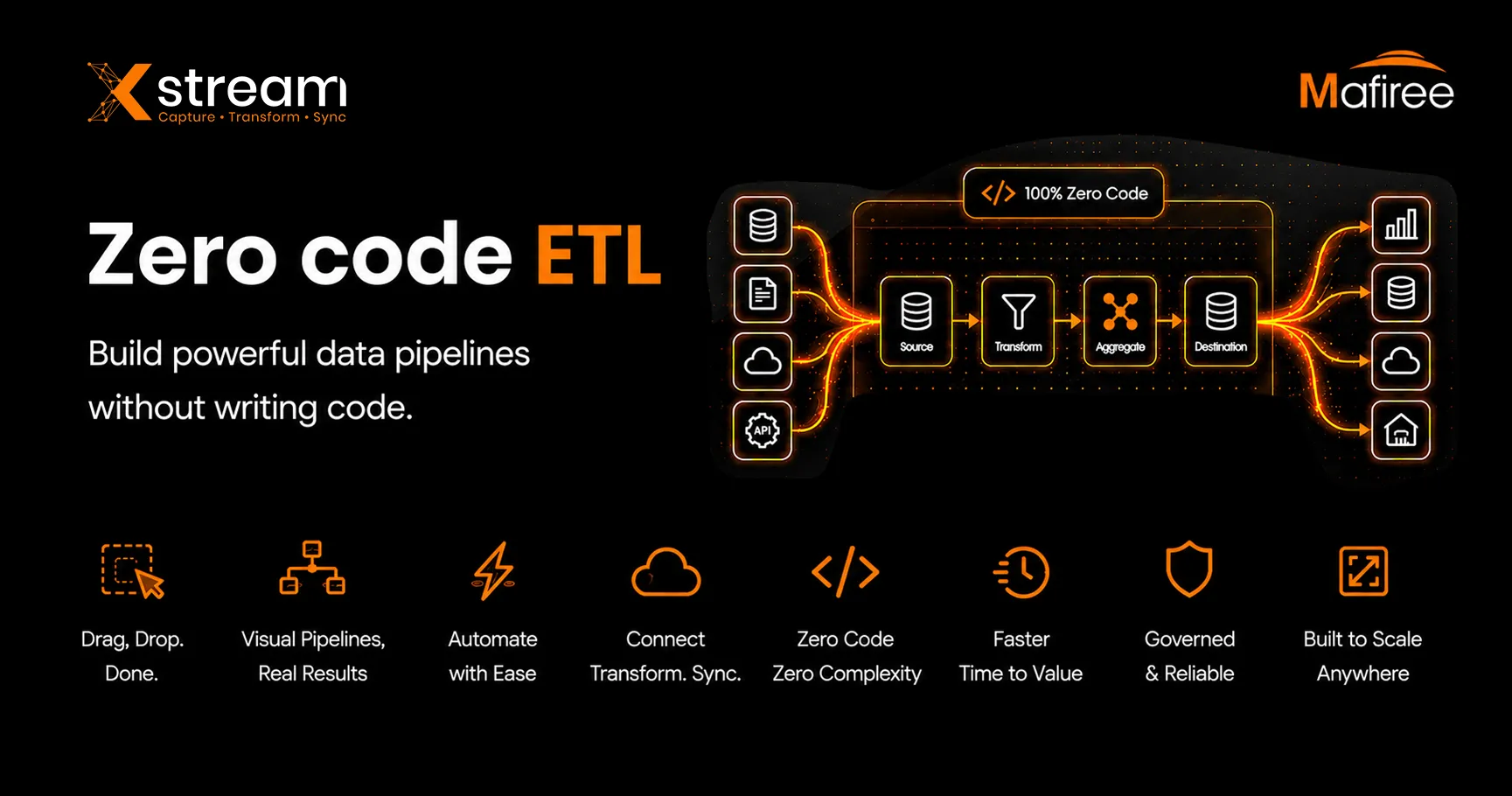
Zero-Code ETL: A Modern Approach to Data Pipeline Integration

Zero-Code ETL simplifies data integration by replacing complex coding with visual workflows, automation, and prebuilt connectors. It helps businesses deploy pipelines faster, reduce maintenance effort, support real-time data movement, and scale operations more efficiently, allowing teams to focus on insights rather than managing infrastructure.

  653 views
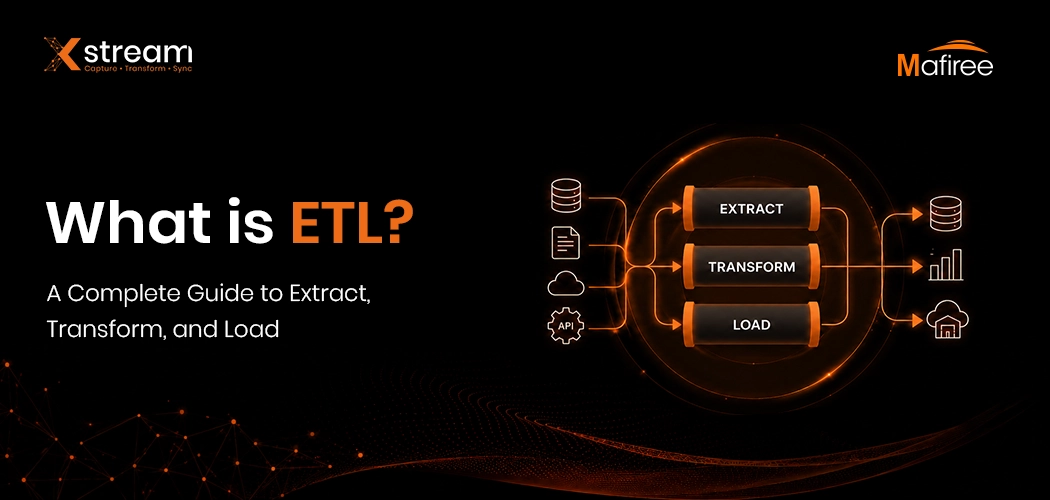
What is ETL? How Modern ETL Pipelines Power Real-Time Data

Modern systems don’t suffer from a lack of data — they suffer from too much of it, in too many places. Every service, application, and platform generates its own stream of information. Transactions, logs, user actions, system events — all flowing continuously, but rarely in sync. The real challenge isn’t collecting data anymore. It’s making sense of it. That’s where ETL begins its quiet work in the background.

  1061 views
Database Migration Strategies: Zero-Downtime Patterns for MySQL, PostgreSQL & MongoDB

Moving mission-critical data doesn't have to mean taking your application offline. This guide explores the most effective database migration strategies, specifically focusing on zero-downtime patterns for MySQL, PostgreSQL, and MongoDB. From the initial database migration process to advanced database migration testing strategies, we provide a roadmap for a risk-free transition.

  2421 views
Change Data Capture (CDC): How It Works, Benefits & Real-World Use Cases

Each second, databases are constantly changing—and this is where change data capture plays a crucial role. As updates happen across systems, applications need a way to instantly know what changed without scanning entire datasets. Change Data Capture (CDC) solves this by tracking only the changes and delivering them in real time, enabling systems to stay in sync and power efficient, scalable real-time data pipelines.

  31967 views
MySQL to TiDB Migration: Streaming 100 Billion Records in Real Time

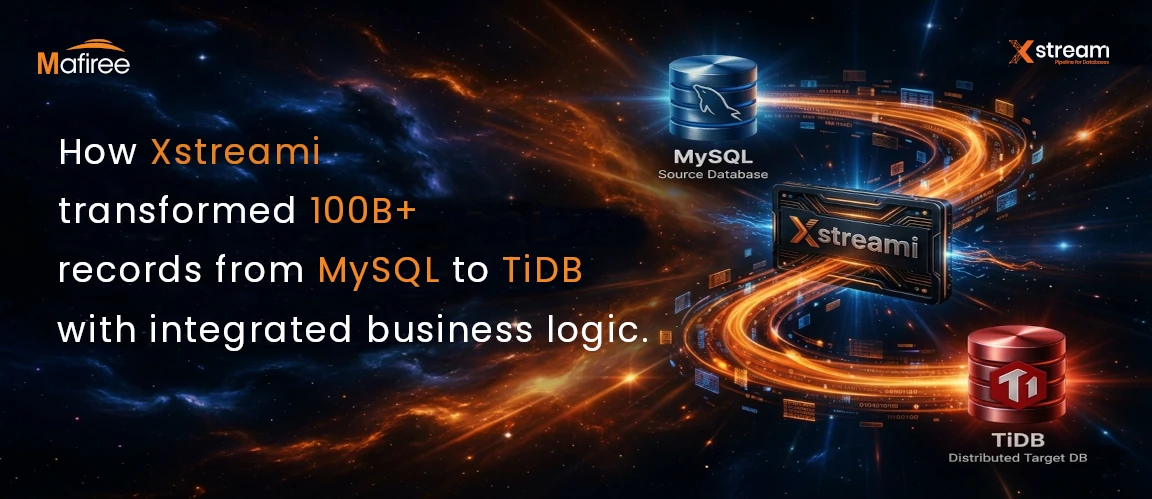
A payment service needed real-time streaming AND historical data transformation across 40 MySQL tables into one TiDB table. Xstreami delivered 100 billion records migrated with 0% data loss, complex business logic — zero lines of code written.

  3351 views
How Xstreami Makes Real-Time MySQL CDC Operationally Simple for Business Use-Cases

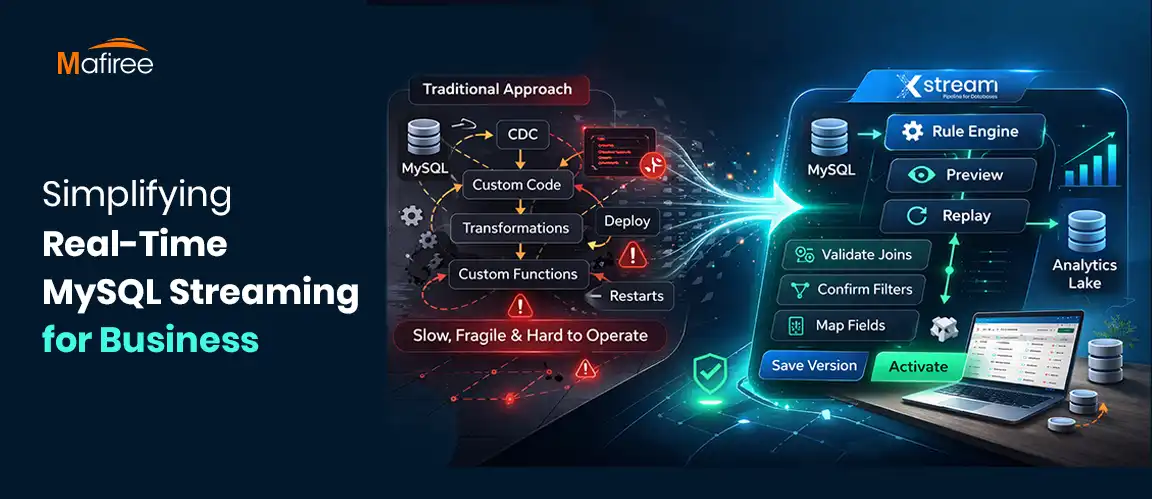
This blog explains how Xstreami helps teams operationalise real-time MySQL CDC or streaming by simplifying business rule management, preview, deployment and replay—without sacrificing technical depth or reliability.

  1453 views
Building reliable real-time MySQL streaming for analytics and AI

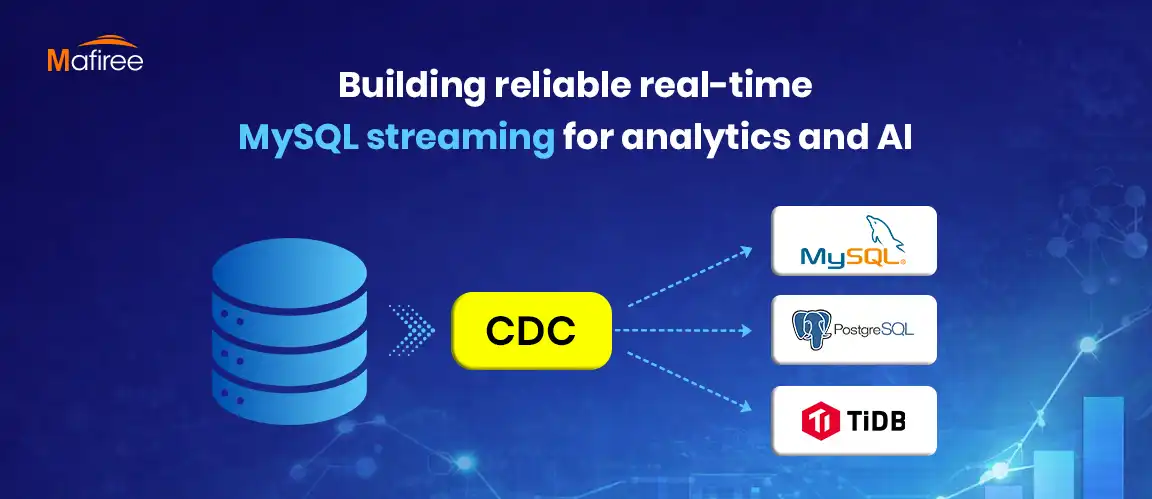
This blog explains why MySQL real-time streaming has become essential for modern analytics and AI systems, and how CDC-based architectures enable reliable, observable and scalable data pipelines for fast, data-driven decisions.

  1785 views
Real-Time ETL at Scale: How Xstreami Transformed Data Operations for a Major Transportation Company

In the fast-moving world of logistics and transportation, real-time data management is critical. A leading transportation company, handling millions of transactions per hour, faced growing complexity in managing, transforming, and analyzing operational data.

  13723 views
Understanding Xstreami: The Future of Database Streaming

Xstreami: The Future of Real-Time Database Streaming

  2106 views
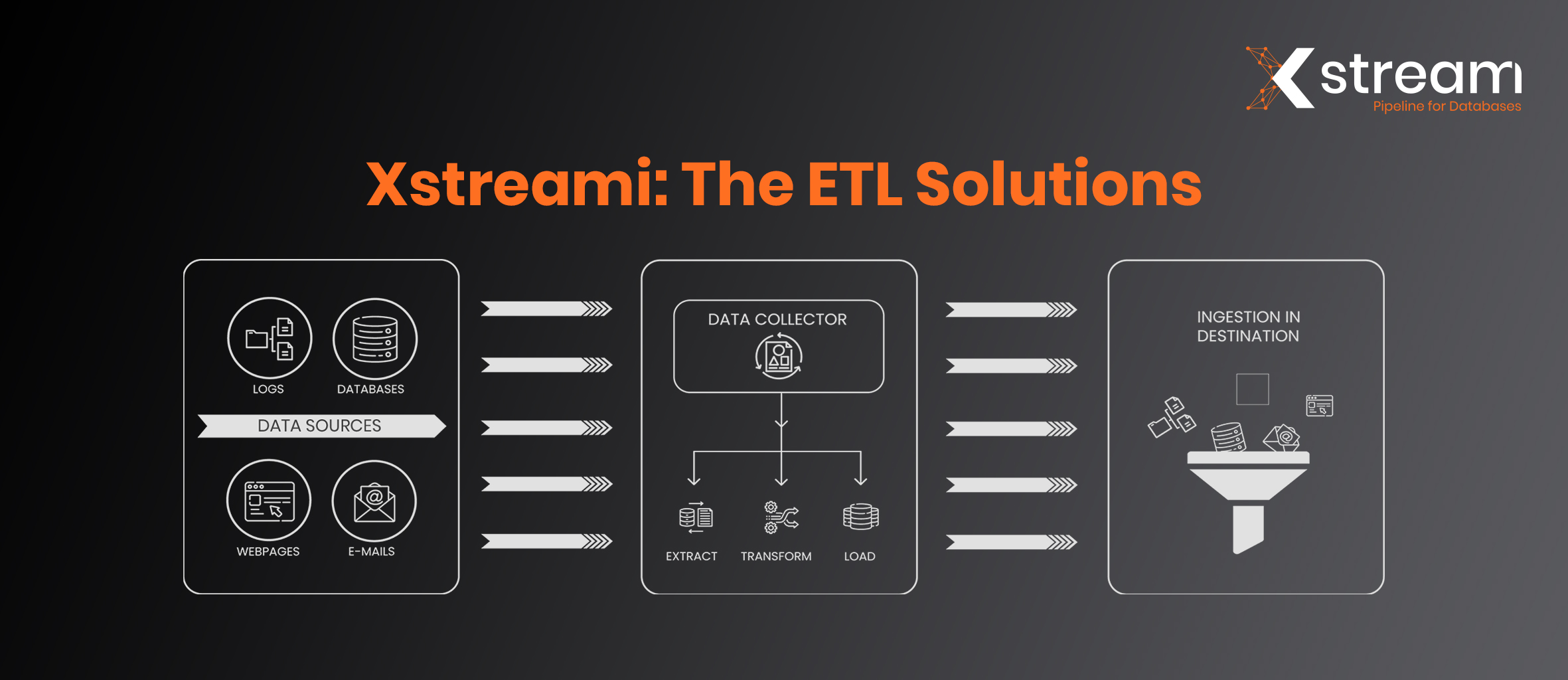
Xstreami: The ETL Solution

Xstreami is engineered to support databases like MySQL, TiDB, ClickHouse, PostgreSQL, and MongoDB. It can be configured for various ETL flows, including single-source to single-destination, single-source to multiple destinations, multiple sources to a single destination, and multiple sources to multiple destinations

  13494 views

Subscribe for email updates

RSS feed
Get in touch with us

Highlights

More than 6000 Servers Monitored

Happy Clients

Certified DBAs

24 x 7 x 365 Support

PCI

Database Services

MySQL MongoDB PostgreSQL SQL Server Aerospike Clickhouse TiDB ScyllaDB

Quick Links

Careers Blog Contact Privacy Policy Disclaimer Policy

Contacts

Linkedin Mafiree Facebook Mafiree Twitter Mafiree

Nagercoil Office

Miru IT Park, Vallankumaranvillai,

Nagercoil, Tamilnadu - 629 002.

Bangalore Office

Unit 303, Vanguard Rise,

5th Main, Konena Agrahara,

Old Airport Road, Bangalore - 560 017.

Call: +91 6383016411

Email: sales@mafiree.com


Copyright © - All Rights Reserved - Mafiree