
 Orbit
Orbit
 Xstreami

- About
- Services
- Blogs
- Careers
- Products
- Contact Schedule a Call

Author : Abishek S
August 26, 2026
TiDB OOM Errors fall into two types — a full node crash triggered by the OS, or a single query cancelled by TiDB's own memory controls. This guide walks through how to confirm which occurred, identify the SQL patterns most responsible (HashJoin, HashAgg, large transactions, stale statistics), configure the four key memory parameters, enable disk spill as a safety net, and verify production readiness with a structured checklist.

Author : Abishek S
April 13, 2026
Managing large-scale data import in TiDB requires specialized tools and strategies due to its distributed architecture. Unlike traditional databases, TiDB must efficiently distribute data across multiple nodes while maintaining consistency and performance. TiDB Lightning is the primary high-performance tool designed for bulk data ingestion, supporting formats like CSV, Parquet, and Dumpling exports. It offers two import modes: physical mode for maximum speed during initial loads and logical mode for safer imports into active production environments. Additionally, TiDB introduces IMPORT INTO, a SQL-based import method that simplifies data loading for moderate datasets with minimal setup. This guide covers TiDB Lightning architecture, import modes, performance comparisons, complete migration workflows, and best practices to help you efficiently manage large amounts of data, avoid common failures, and choose the right import strategy for your use case.
Author : Abishek S
September 10, 2026
TiDB TTL (Time-To-Live) automatically removes expired rows based on a defined retention period. It helps manage growing datasets, reduce storage usage, and minimize the need for manual cleanup. This guide covers TTL configuration, scheduled cleanup jobs, conditional expiration, monitoring, and key limitations.
Author : Abishek S
May 05, 2025
A powerful tool to compare, detect, and fix data inconsistencies across distributed databases—ensure accurate migrations and seamless replication with Sync-Diff-Inspector.

Author : Abishek S
March 24, 2025
Boost database performance with TiDB cached tables—reduce latency and accelerate read-heavy queries.

Author : Abishek S
September 10, 2026
TiDB Resource Control helps manage resource usage by assigning limits and priorities to different workloads. It allows high-priority applications to get the resources they need while preventing other workloads from affecting critical operations. This is especially useful when multiple teams or workloads share the same TiDB cluster.
Author : Abishek S
January 31, 2025
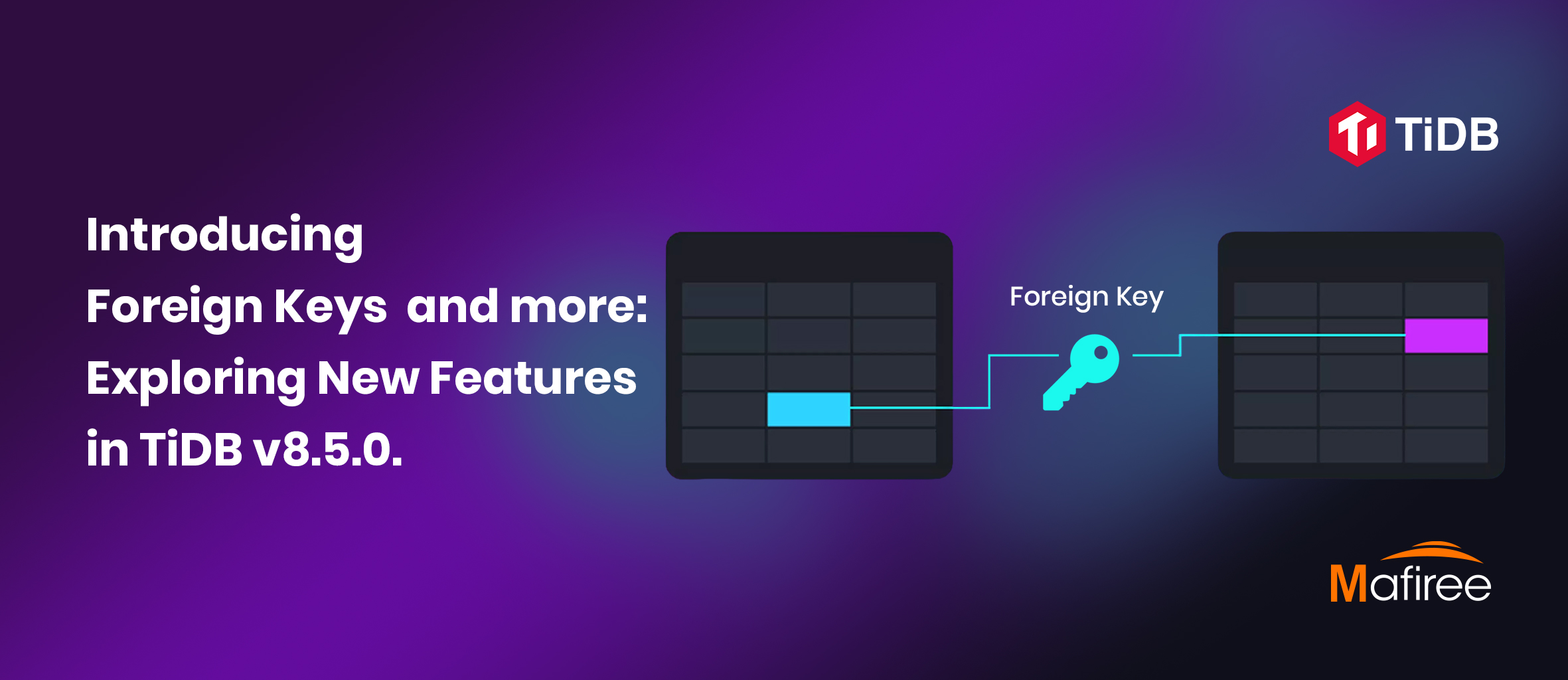
Explore the latest features in TiDB v8.5.0, including support for Foreign Keys, improved performance, and enhanced security for modern database management.
Author : Abishek S
September 10, 2026
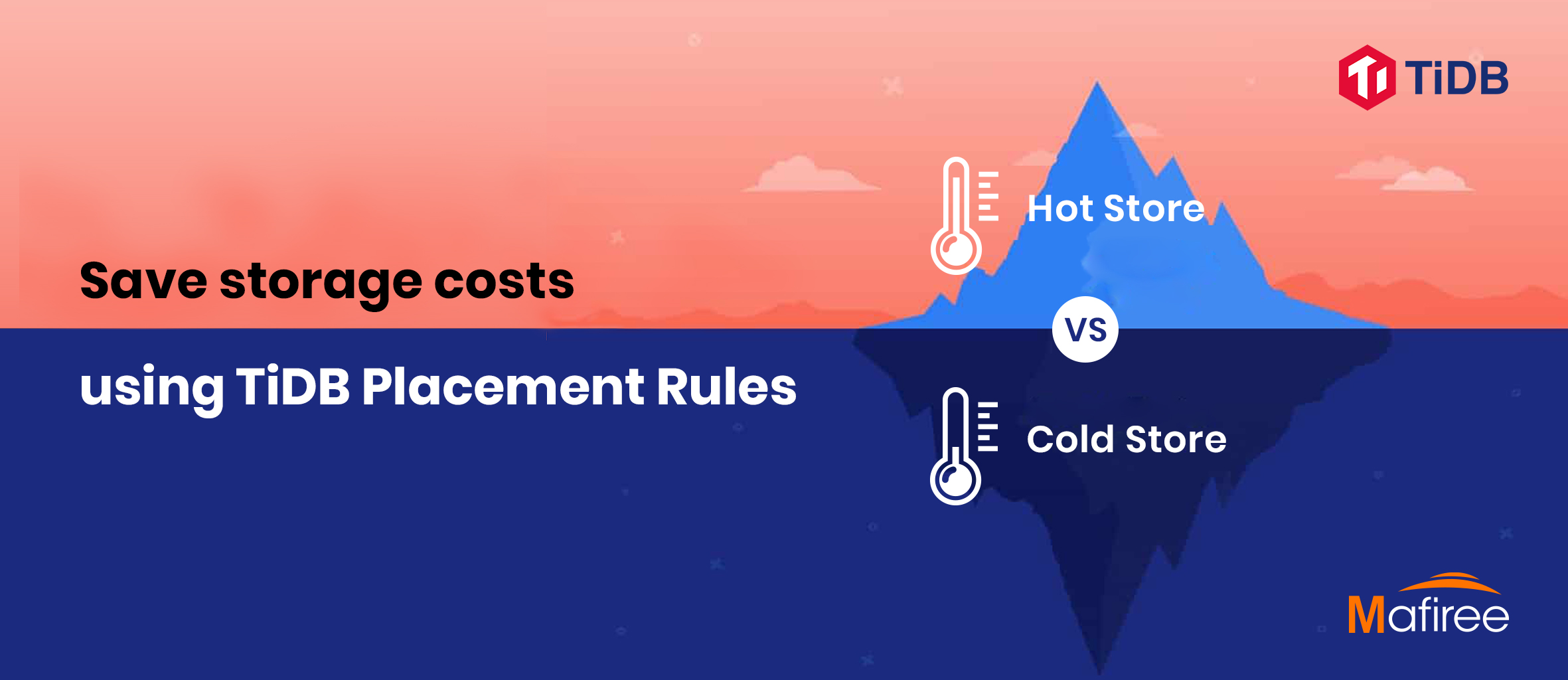
TiDB Placement Rules help control where data is stored within a TiKV cluster. By assigning data to specific storage tiers, zones, or hosts, they can improve performance, resource utilization, and cost efficiency.
Author : sukan
September 10, 2026
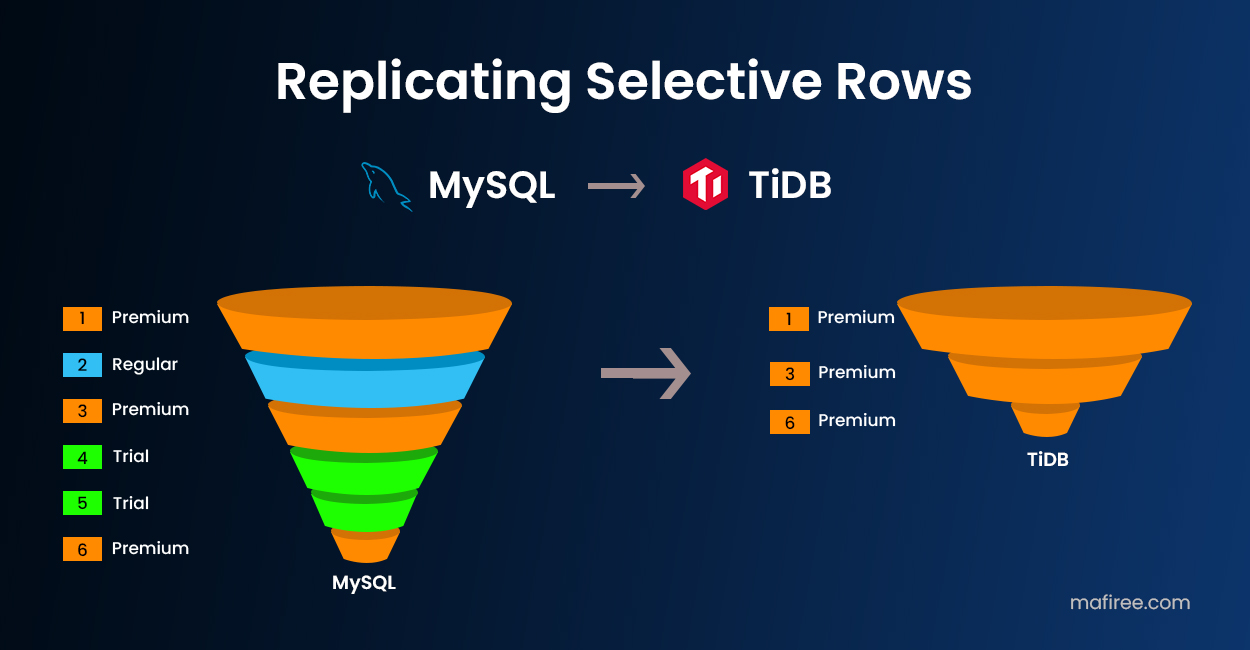
Analytics with TiDB's Row-Wise Filtering. Discover how our client slashed costs and boosted flexibility with TiDB's granular data management features. Dive into the future of database optimization with Mafiree
More than 6000 Servers Monitored
Happy Clients
Certified DBAs
24 x 7 x 365 Support



Miru IT Park, Vallankumaranvillai,
Nagercoil, Tamilnadu - 629 002.
Unit 303, Vanguard Rise,
5th Main, Konena Agrahara,
Old Airport Road, Bangalore - 560 017.
Call: +91 6383016411
Email: sales@mafiree.com