
Mafiree logo
  • About
  • Services
  • Blogs
  • Careers
  • Products
    • orbit logo Orbit
    • streamer logo Xstreami
  • Contact
Schedule a Call
Menu
  • About
  • Services
  • Blogs
  • Careers
  • Products
    • orbit logo Orbit
    • streamer logo Xstreami
  • Contact
  • Schedule a Call
Database
Database Database Managed Services
MySQL MySQL
MySQL Consulting Services
MySQL Migration Services
MySQL Optimization & Query Tuning
MySQL Database Administration
MySQL Backup & Recovery
MySQL Security & Maintenance
MySQL Cloud Services (AWS RDS, Aurora, Google Cloud SQL, Azure)
MySQL for Ecommerce
MySQL High Availability & Replication
MongoDB MongoDB
MongoDB Consulting Services
MongoDB Migration Services
MongoDB Optimization & Query Tuning
MongoDB Database Administration
MongoDB Backup & Recovery
MongoDB Security & Maintenance
MongoDB Cloud (Atlas)
MongoDB Solutions by Industry
MongoDB High Availability & Replication
PostgreSQL PostgreSQL
PostgreSQL Consulting
PostgreSQL Migration & Upgrades
Performance Tuning & Query Optimization
PostgreSQL Administration & Managed Services
High Availability, Clustering & Replication
PostgreSQL Backup, Recovery & Disaster Planning
PostgreSQL Security, Compliance & Auditing
PostgreSQL for Analytics & Data Warehousing
PostgreSQL on Cloud & Containers
PostgreSQL Extensions & Open-Source Integrations
PostgreSQL for Every Industry
SQL Server MSSQL
MSSQL Consulting Services
MSSQL Migration Services
MSSQL Optimization & Query Tuning Services
MSSQL Database Administration Services
MSSQL Backup & Recovery Services
MSSQL High Availability & Replication Services
MSSQL Security & Compliance Services
MSSQL Performance Monitoring & Health Checks
MSSQL Solutions by Industry
Aerospike Aerospike
Aerospike Consulting Services
Aerospike Migration Services
Aerospike Performance Optimization & Tuning
Aerospike Database Administration
Aerospike Backup & Recovery
Aerospike High Availability
Aerospike Cloud & Hybrid Deployments
Aerospike for Real-Time Applications (AdTech, FinTech, Retail, IoT)
Analytics DB
Analytics DB Analytics DB Services
Clickhouse Clickhouse
ClickHouse Consulting Services
ClickHouse Migration Services
ClickHouse Optimization & Query Tuning
ClickHouse Database Administration
ClickHouse Backup & Recovery
ClickHouse Security & Maintenance
ClickHouse Cloud Services (ClickHouse Cloud, AWS, GCP, Azure)
ClickHouse Solutions by Industry
ClickHouse High Availability & Replication
TiDB TiDB
TiDB Consulting & Architecture Planning
TiDB Administration & Maintenance
TiDB Security and Privacy Maintenance
TiDB Performance & Query Optimization
TiDB Migration Services
TiDB Backup & Disaster Recovery
TiDB High Availability Solutions
TiDB Solutions by Industry
TiDB Cloud Services
ScyllaDB ScyllaDB
ScyllaDB Consulting & Architecture Planning
ScyllaDB Administration & Maintenance
ScyllaDB Security and Privacy Maintenance
ScyllaDB Performance & Query Optimization
ScyllaDB Migration Services
ScyllaDB Backup & Disaster Recovery
ScyllaDB High Availability Solutions
ScyllaDB Solutions by Industry
ScyllaDB Cloud Services
DevOps
DevOps DevOps Services
Version Control Version Control
Kubernetes Kubernetes
Infrastructure Infrastructure Management
Web Servers Web Servers
Networking
Networking Networking Services
Basic Basic
Advanced Advanced
MySQL MySQL
MongoDB MongoDB
PostgreSQL PostgreSQL
MSSQL MSSQL
Aerospike Aerospike
Clickhouse Clickhouse
TiDB TiDB
ScyllaDB ScyllaDB

Version Control Version Control
Kubernetes Kubernetes
Infrastructure Infrastructure Management
Web Servers Web Servers

Basic Basic
Advanced Advanced
MySQL Consulting Services
MySQL Migration Services
MySQL Optimization & Query Tuning
MySQL Database Administration
MySQL Backup & Recovery
MySQL Security & Maintenance
MySQL Cloud Services (AWS RDS, Aurora, Google Cloud SQL, Azure)
MySQL for Ecommerce
MySQL High Availability & Replication
MongoDB Consulting Services
MongoDB Migration Services
MongoDB Optimization & Query Tuning
MongoDB Database Administration
MongoDB Backup & Recovery
MongoDB Security & Maintenance
MongoDB Cloud (Atlas)
MongoDB Solutions by Industry
MongoDB High Availability & Replication
PostgreSQL Consulting
PostgreSQL Migration & Upgrades
Performance Tuning & Query Optimization
PostgreSQL Administration & Managed Services
High Availability, Clustering & Replication
PostgreSQL Backup, Recovery & Disaster Planning
PostgreSQL Security, Compliance & Auditing
PostgreSQL for Analytics & Data Warehousing
PostgreSQL on Cloud & Containers
PostgreSQL Extensions & Open-Source Integrations
PostgreSQL for Every Industry
MSSQL Consulting Services
MSSQL Migration Services
MSSQL Optimization & Query Tuning Services
MSSQL Database Administration Services
MSSQL Backup & Recovery Services
MSSQL High Availability & Replication Services
MSSQL Security & Compliance Services
MSSQL Performance Monitoring & Health Checks
MSSQL Solutions by Industry
Aerospike Consulting Services
Aerospike Migration Services
Aerospike Performance Optimization & Tuning
Aerospike Database Administration
Aerospike Backup & Recovery
Aerospike High Availability
Aerospike Cloud & Hybrid Deployments
Aerospike for Real-Time Applications (AdTech, FinTech, Retail, IoT)
ClickHouse Consulting Services
ClickHouse Migration Services
ClickHouse Optimization & Query Tuning
ClickHouse Database Administration
ClickHouse Backup & Recovery
ClickHouse Security & Maintenance
ClickHouse Cloud Services (ClickHouse Cloud, AWS, GCP, Azure)
ClickHouse Solutions by Industry
ClickHouse High Availability & Replication
TiDB Consulting & Architecture Planning
TiDB Administration & Maintenance
TiDB Security and Privacy Maintenance
TiDB Performance & Query Optimization
TiDB Migration Services
TiDB Backup & Disaster Recovery
TiDB High Availability Solutions
TiDB Solutions by Industry
TiDB Cloud Services
ScyllaDB Consulting & Architecture Planning
ScyllaDB Administration & Maintenance
ScyllaDB Security and Privacy Maintenance
ScyllaDB Performance & Query Optimization
ScyllaDB Migration Services
ScyllaDB Backup & Disaster Recovery
ScyllaDB High Availability Solutions
ScyllaDB Solutions by Industry
ScyllaDB Cloud Services

DevOps Services

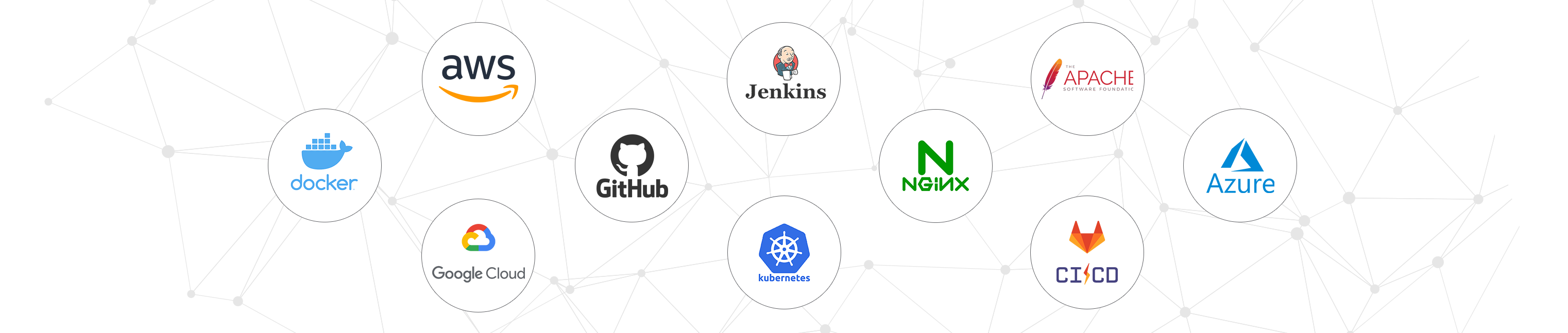
Elevate your software delivery with our comprehensive DevOps services, seamlessly integrating development and operations to enhance efficiency and accelerate innovation. From continuous integration to automated deployment, we empower your teams to achieve agile, reliable, and scalable software development workflows.
Mafiree Service
  • Version control
  • Kubernetes
  • Infrastructure management
  • Web servers

Version control

Version control, also known as source code version control, revision control, or simply VCS (Version Control System), is a software system that helps developers and teams manage changes to their codebase, documents, or any collection of files over time. Its primary purpose is to track, store, and facilitate collaboration on these files while preserving a historical record of all changes.

1

GitHub

  • Hosting client repositories on GitHub for version control and collaboration.
  • Managing code review processes and fostering collaboration among development teams and clients.
  • Setting up and managing issue tracking for reporting and resolving bugs or feature requests.
  • Configuring and maintaining Continuous Integration (CI) and Continuous Deployment (CD) pipelines for automated testing and deployment.
  • Managing access control and permissions to safeguard client data and ensure privacy.
  • Implementing security measures and ensuring GitHub compliance with industry standards.
  • Providing documentation and training to clients on GitHub usage and best practices.
  • Integrating GitHub with other tools and services used by clients for seamless workflow.
  • Assisting clients with migrating code and repositories to GitHub from other platforms.
  • Offering support and troubleshooting services for GitHub-related issues clients encounter.

2

GitLab

  • Setting up GitLab for client projects, whether as a self-managed instance or using GitLab.com.
  • Configuring GitLab CI/CD pipelines to automate build, test, and deployment processes.
  • Hosting client repositories on GitLab for version control and collaboration.
  • Managing access control and permissions within GitLab to ensure data security.
  • Implementing security scanning tools within GitLab for code vulnerability assessments.
  • Tailoring GitLab workflows to match client-specific development processes.
  • Providing documentation and training for clients on GitLab usage and best practices.
  • Integrating GitLab with other tools and services used by clients.
  • Assisting clients in transitioning to GitLab for version control and CI/CD.
  • Offering support and troubleshooting services for GitLab-related issues clients encounter.

3

Git

  • Implementing and managing Git for version control, enabling teams to track code changes efficiently.
  • Defining and implementing branching strategies tailored to client projects for organized development.
  • Facilitating collaboration among development teams and clients, ensuring efficient code sharing and contributions.
  • Adapting Git workflows to meet specific client project requirements.
  • Promoting and enforcing Git best practices to maintain code quality and consistency.

Kubernetes

Specializing in Kubernetes (K8s) services, the focus is on delivering expert assistance for managing containerized applications. This includes troubleshooting application issues, creating and managing pods, and configuring ingress rules. K8's expertise ensures efficient deployment, scaling, and orchestration of containerized workloads, enabling clients to maintain robust and scalable software infrastructure.

1

Managing Containerized Applications

  • This involves overseeing the deployment, scaling, and monitoring of software applications packaged in containers like Docker. Kubernetes provides tools for automating these tasks, ensuring consistent and reliable application management.

2

Troubleshooting Application Issues

  • In Kubernetes environments, identifying and addressing issues such as crashes, performance bottlenecks, or configuration errors is crucial. Service teams diagnose these problems to maintain application stability and performance.

3

Creating and Managing Pods

  • Pods are the smallest deployable units in Kubernetes, typically containing one or more containers. Creating and managing pods involves defining the application's runtime environment, including resource allocation and network settings.

4

Configuring Ingress Rule

  • Ingress rules in Kubernetes dictate how external traffic is routed to services within the cluster. Proper configuration ensures that incoming requests reach the correct application services securely and efficiently.

5

K8s Expertise Ensures Efficient Deployment

  • Kubernetes experts optimize the deployment process by defining deployment strategies, resource allocation, and scaling policies. This expertise ensures that applications run efficiently with minimal downtime.

6

Orchestration of Containerized Workloads

  • Kubernetes orchestrates containerized workloads by managing their lifecycle, scaling based on demand, and distributing them across cluster nodes. This orchestration ensures high availability and fault tolerance for applications.

Infrastructure management

Infrastructure Management in the context of AWS (Amazon Web Services) and GCP (Google Cloud Platform) involves overseeing and optimizing the cloud-based resources and services provided by these cloud service providers to support an organization's IT operations.

1

Resource Provisioning

  • Technical Infrastructure Management begins with the provisioning of cloud resources. In AWS, this involves using services like Amazon EC2 (Elastic Compute Cloud) for virtual machines and Amazon RDS (Relational Database Service) for databases. In GCP, Compute Engine and Cloud SQL are used for similar purposes. Managers define resource specifications, including instance types, storage capacity, and network configurations, using Infrastructure as Code (IAC) tools like AWS CloudFormation or Google Cloud Deployment Manager.

2

Configuration Management

  • After provisioning, the configuration management phase involves setting up the software and environment on cloud resources. This includes tasks like installing operating systems, configuring security settings, and deploying application stacks. Infrastructure Managers use IAC templates to automate configuration processes, ensuring consistency and repeatability.

3

Security and Access Control

  • Technical aspects of security management involve defining and enforcing access control policies. In AWS, this is done using IAM (Identity and Access Management), while GCP employs Cloud IAM. Infrastructure Managers create custom roles, permissions, and security policies to control who can access cloud resources and what actions they can perform.

4

Monitoring and Optimization

  • AWS CloudWatch and Google Cloud Monitoring provide technical tools for continuous monitoring. Managers set up monitoring dashboards and alarms to track resource performance and health. Technical optimization efforts include adjusting resource configurations, implementing auto-scaling, and optimizing application code to enhance performance and cost-efficiency.

5

Disaster Recovery and Backup

  • Infrastructure Managers design and implement disaster recovery strategies using services like AWS Backup or GCP's disaster recovery solutions. Technical tasks include configuring backup schedules, data retention policies, and replication mechanisms to ensure data resilience and availability.

6

Cost Control and Optimization

  • Technical cost control involves analyzing spending patterns using AWS Cost Explorer or GCP Cost Management. Infrastructure Managers optimize costs through reserved instances, spot instances, and resource rightsizing. They also use cost allocation tags to track and manage expenses across different departments or projects.

7

Automation and Orchestration

  • Technical automation is achieved using scripting languages like Python, cloud-native CLI tools, and IAC templates. Managers automate resource provisioning, configuration changes, and scaling operations, reducing manual intervention and minimizing the risk of configuration errors.

Web servers

A web server is a software application or hardware device that serves as the foundation of the World Wide Web. It is responsible for processing incoming network requests from clients, typically web browsers, and delivering the requested web content to those clients. In essence, a web server's primary function is to host and serve web pages and web applications to users over the internet. Nginx, renowned for its speed and efficiency, is skillfully employed to configure and optimize the delivery of web applications. It excels in handling HTTP requests and acts as a reverse proxy, proficiently distributing traffic to backend servers. Nginx's lightweight architecture is harnessed to serve static content swiftly, and its load-balancing capabilities ensure even distribution of workloads. Moreover, its versatile configuration options, including server blocks and location directives, enable precise tailoring of web applications, ensuring optimal performance.

On the other hand, Apache adds versatility to your service offerings. Its modular architecture and extensive library of modules empower you to configure and fine-tune the web server environment for diverse client requirements. Apache shines in supporting dynamic content and scripting languages. Its .htaccess configuration files offer granular control over access, authentication, and URL rewriting, allowing for customization on a per-directory basis. With Apache, you provide clients with the flexibility to craft their web hosting solutions, ensuring compatibility and adaptability to various application needs.

1

Reverse proxy setup

  • Adjust reverse proxy settings dynamically to handle traffic spikes and distribute requests efficiently to backend servers
  • Continuously monitor reverse proxy server performance, analyzing metrics such as response times, error rates, and resource utilization.
  • Regularly update security policies to protect against emerging threats.
  • Conduct performance assessments to ensure efficient load balancing.

2

Port Forwarding

  • Configure routers and firewalls to efficiently forward incoming traffic to the appropriate internal servers or services, enhancing accessibility and reducing latency.
  • Daily review of port forwarding rules to ensure accuracy. Monitor network traffic patterns and adjust port forwarding as needed.
  • Implement logging and alerting mechanisms to promptly detect and respond to any suspicious port activity.

3

SSL Security

  • Daily examination of SSL/TLS certificate expirations and proactive renewal to prevent service disruptions.
  • Regularly assess cipher suites and encryption protocols to ensure compliance with the latest security standards.
  • Monitor web server logs for any suspicious activity related to SSL/TLS handshakes or certificate validation.
  • Implement strict access controls and firewall rules to protect SSL/TLS endpoints from unauthorized access.

4

Webserver log management

  • Continuously collect and aggregate web server logs from multiple sources for comprehensive analysis.
  • Employ log parsing and analytics tools to identify security threats, anomalies, and performance bottlenecks in real-time.
  • Archive logs in a secure and compliant manner, ensuring data retention policies align with legal and regulatory requirements.
  • Regularly review and adjust log retention periods based on evolving compliance standards and operational needs.

5

Passenger setup

  • Setup and configure passenger to make sure your applications runs smoothly, allowing you to focus on delivering a seamless user experience.
  • Monitoring of Passenger processes and application performance. Respond to error logs in real-time, addressing any issues that may impact the availability and reliability of web applications.
  • Continuously fine-tune Passenger configurations to optimize application performance and resource utilization.
  • Implement auto-scaling strategies to handle varying traffic loads. Apply security patches and updates as they become available.
Get in touch with us

Highlights

More than 6000 Servers Monitored

Happy Clients

Certified DBAs

24 x 7 x 365 Support

PCI

Database Services

MySQL MongoDB PostgreSQL SQL Server Aerospike Clickhouse TiDB MariaDB Columnstore

Quick Links

Careers Blog Contact Privacy Policy

Contacts

Nagercoil Office

Miru IT Park, Vallankumaranvillai,

Nagercoil, Tamilnadu - 629 002.

Bangalore Office

Unit 303, Vanguard Rise,

5th Main, Konena Agrahara,

Old Airport Road, Bangalore - 560 017.

Call: +91 6383016411

Email: sales@mafiree.com


Copyright © - All Rights Reserved - Mafiree